from a typical £2.50 supermarket bag of nuts, the supermarket takes over £1, while the pickers get just 3p
Monday, 25 November 2013
Yr10 Q1: Cashew nuts/India - another unFair trade example
Click through to http://www.theguardian.com/global-development/ng-interactive/2013/nov/cashew-nut-industry-true-cost to see an interactive presentation on this, featuring some audio and video clips as well as short sequences of text, and photos illustrating the points being raised. One example from this:

Friday, 22 November 2013
Should the AGE OF CONSENT be lowered?
A panel of medical experts have recommended that the UK's age of consent should be lowered to 15; they say that as 1/3 teens have had sex by 16, and the UK has an exceptionally high rate of teen pregnancies and STIs, we should really make a big push to convince 14 year-olds to abstain. All 3 of the big political parties (Tories, Labour, Lib Dems) very quickly rejected this advice. Perhaps they judged that supporting this would leave them open to negative media coverage?
What do YOU think? Remember, the age of consent varies widely from country to country - some of our European neighbours have a lower age, but some nations set the age as high as 21 - YOU might think the age should be increased rather than be lowered.
If you want learn more about this, you could read the Wiki on this; a Guardian editorial on the issue and politicians' reaction; or this debate on the Daily Mail's website for further info. You can find more useful articles at The Guardian's microsite for news and articles on Sexual Education.
What do YOU think? Remember, the age of consent varies widely from country to country - some of our European neighbours have a lower age, but some nations set the age as high as 21 - YOU might think the age should be increased rather than be lowered.
If you want learn more about this, you could read the Wiki on this; a Guardian editorial on the issue and politicians' reaction; or this debate on the Daily Mail's website for further info. You can find more useful articles at The Guardian's microsite for news and articles on Sexual Education.
 |
| This paper argues that the real issue is the need for better sex education - what do YOU think? |
Wednesday, 23 October 2013
2013 Guest Speaker2: Mr Milburn
These are notes from Mr Milburn's talk to, and question/answer session with, 10Y/Cz2 on 23.10.13 - if you were absent for Mr Milburn's talk with any class you can use these notes to help you write up your Q2 answer.
FT = Fairtrade
I've included some large images, so click read more below to read the full post.
Monday, 21 October 2013
Q3: Dine With a Difference
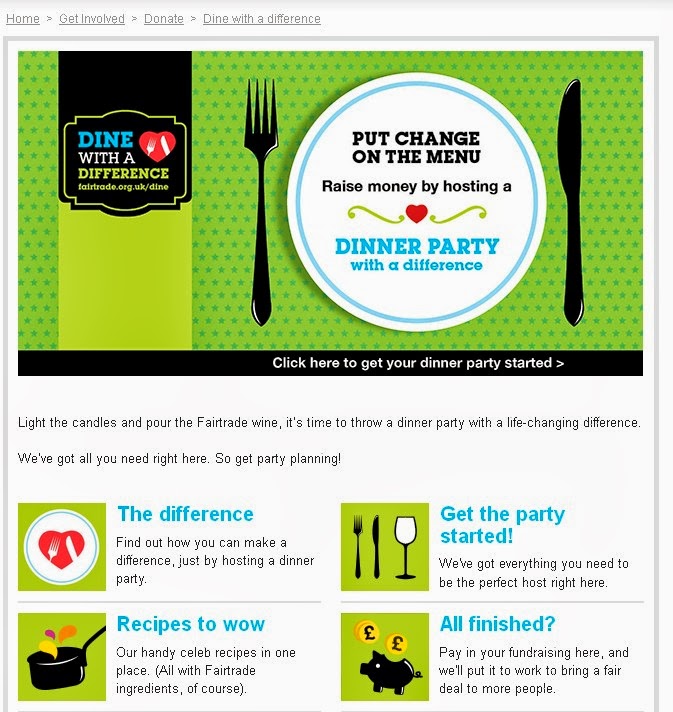
You need to start planning this NOW!
How will you evidence this? Photos? Video? Take quotes from guests (probably your family!) about what they think (before and/or after the meal)?
Saturday, 19 October 2013
Q2: 2013 Guest Speaker1: Karen Palframan
 |
| This post has more info on Karen + Q2 guidance |
this to add any details you missed, thinking especially about points which help show how this issue works at both local and national levels (controlled test Section 1), but also about how opinions may differ on FT (section2) - as well as looking to BRIEFLY summarise (bullet points would be useful for your controlled test notes) what you consider to be the main points raised.
Hopefully, you will be able to add details of a question you asked our guest speaker, and the response you received (or notes on others' questions and the answer given).
Remember, you are also asked in section2 to consider whether or not our speaker's views match or clash with your own.[To read the full post, including the PowerPoint Karen used, click on read more below]
Saturday, 12 October 2013
Q2: 2012 Guest Speaker1 Karen Palframan
This video footage will form the main element of evidence of your communication, though you have a better chance of getting higher marks if there is clear evidence you personally asked a question during the guest speaker sessions.2. a) Communicate with two people in positions of power or influence to find out what they think about the issue. Attach evidence that shows how you tried to communicate, influence or persuade these people. Outline the views of the two people and compare these with your own view.2. b) Why do you think people hold different views on this issue?
In the meantime, start to think about what factors may have influenced Karen's responses to your questions. Question 2b tasks you with analysing the differences between the responses of the two 'people of influence' you've contacted, as well as generally discussing why there might not be universal agreement on the goals or methods of FairTrade:
2b: Why do you think people hold different views on this issue?
 |
| Karen on the left, March 2012. Read the article here. |
You can find a good example of conflicting views in this web page putting forward the opinions of a right-wing think-tank that argues that so-called free market economics should be followed, and interference with these (such as government subsidy) is wrong. A senior FairTrade member responded to the think-tank's criticism of FairTrade as an ineffective organisation, which you can read here.
STEPS TO TAKE FOR Q2:
Friday, 11 October 2013
Q2: Possible Questions/Why Views May Differ
As well as evidencing you've spoken to two people of influence over your chosen issue (the inequalities of global trade; how this works and can be challenged at a local and national level, especially through the group Fairtrade), you've got to analyse the differences between the views expressed by the two speakers.
Therefore you need to have prepared possible questions for both speakers, then analyse the difference. Your questions could be designed to highlight points of difference, so think about the role, responsibilities and likely opinions of both speakers in advance of meeting with them.
Here's a reminder of the section 2 questions:
Therefore you need to have prepared possible questions for both speakers, then analyse the difference. Your questions could be designed to highlight points of difference, so think about the role, responsibilities and likely opinions of both speakers in advance of meeting with them.
Here's a reminder of the section 2 questions:
2. Application of skills of advocacy and representation (15 marks) [35mins]Below are just some of the possible questions you have come up with in advance of these meetings (I've abbreviated Fairtrade to FT):
2. a) Communicate with two people in positions of power or influence to find out what they think about the issue. Attach evidence that shows how you tried to communicate, influence or persuade these people. Outline the views of the two people and compare these with your own view.
2. b) Why do you think people hold different views on this issue?
- how might FT benefit the school
- how might the school benefit FT
Subscribe to:
Posts (Atom)